Dipping sticks in ink
Moments of peace on paper
Velvet rose petals.
_______________________
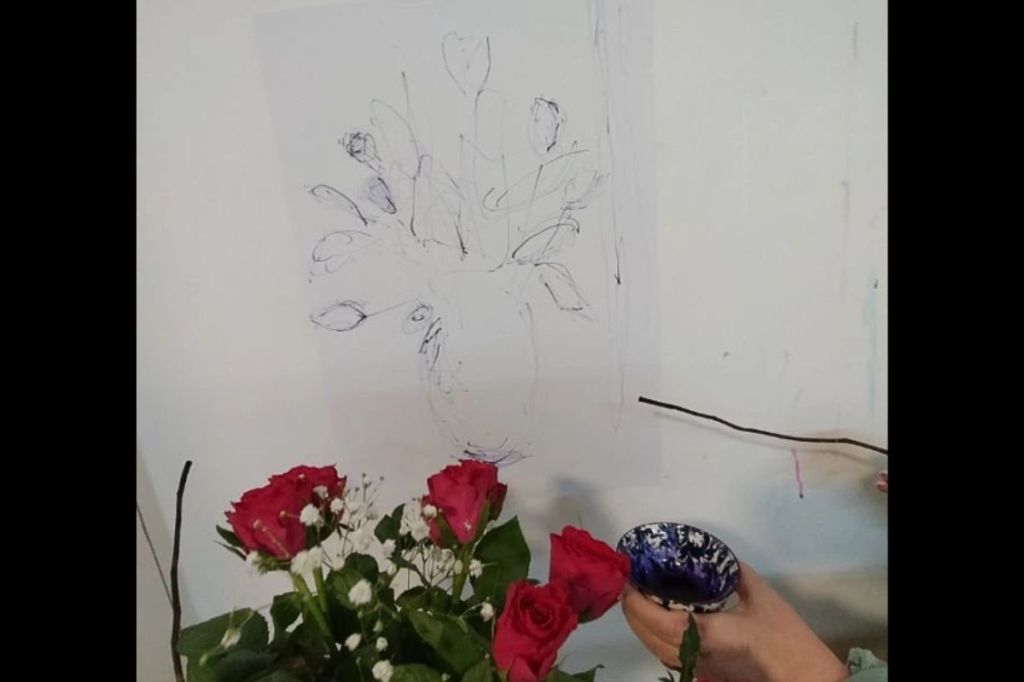
I wrote this haiku after a Winter art session in 2024 during which I dipped a stick in ink, then sketched loosely onto a page. It was a fun process.
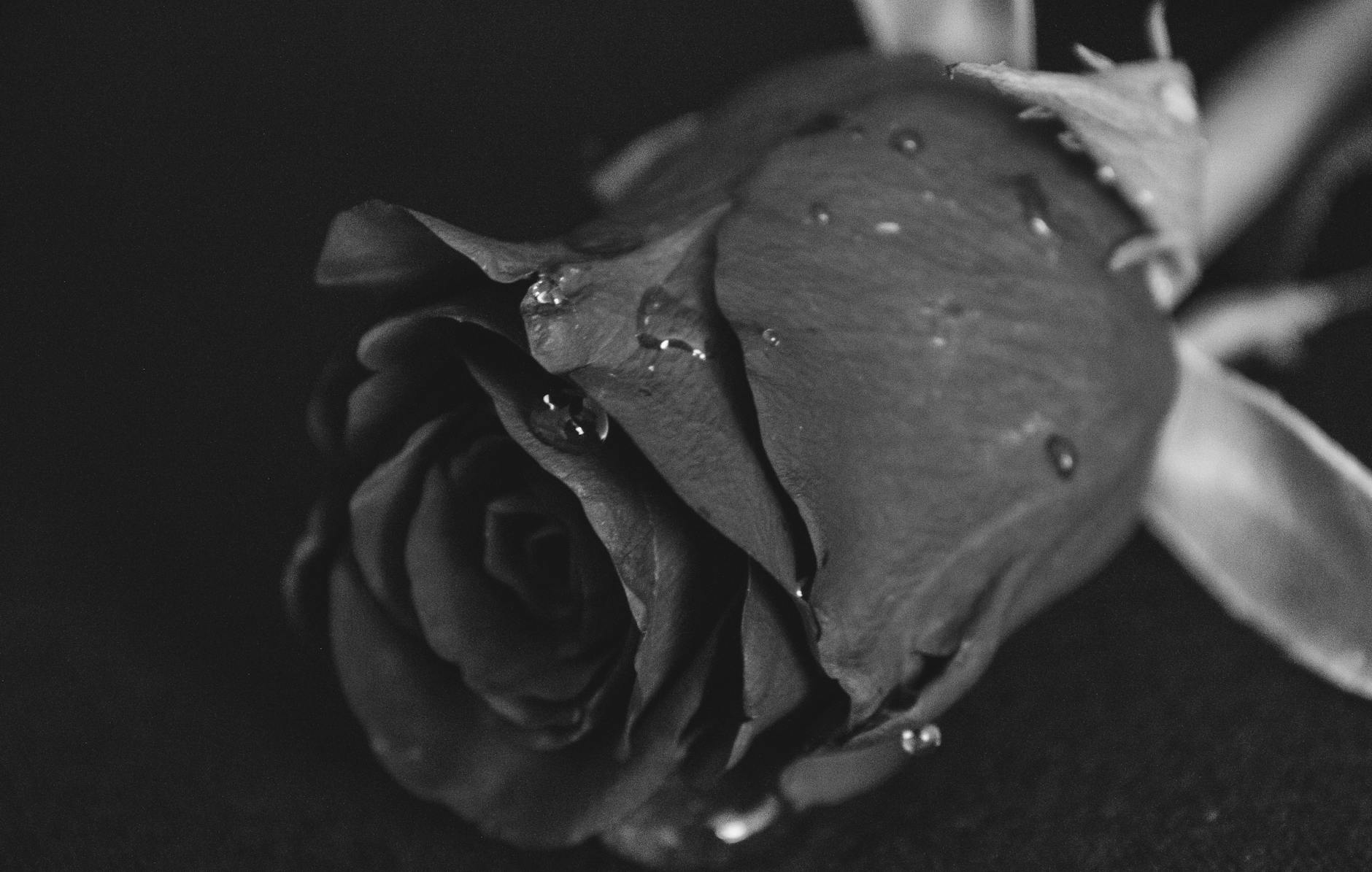
Photo by Karin S.
Ireland and the rose
The shamrock is associated with Ireland, but did you know that the island also has a historical link with the black rose?
‘Róisín Dubh’, pronounced Ro-sheen Dove means ‘black rose’. It represents the struggle for Irish identity and sovereignty during a time of colonial oppression. It is the title of an aisling, or vision poem that cloaks nationalism in allegory. The poem was later made into a song.
Colonial oppression
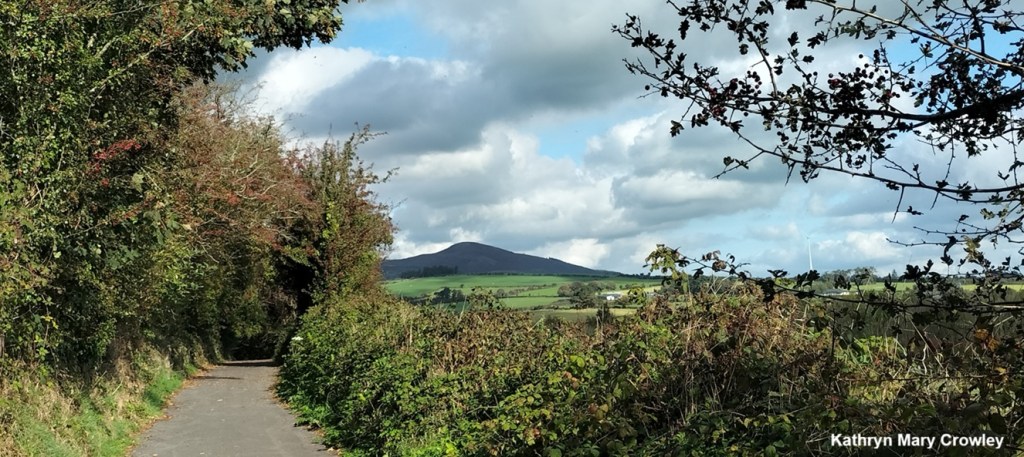
People could only express nationalistic beliefs in a covert way after an Anglo-Norman invasion of Ireland resulted in over 700 years of British control. Black rose was used as a code word for Ireland, which is also known as Éire, or the Emerald Isle.
Ireland was referred to as a dark rose or in other ways when our native language and dress were made illegal. Various agricultural, social, political and cultural practices were also banned.
As Jane Ohlmeyer notes: “One thing is clear, imperialism was – and is – about the acquisition of territory, about settler colonialism, about the exercise of political and economic power, and about violence and coercion“.

Art on a sign from an Irish pub in the US.
Music
Thin Lizzy recorded Roisin Dubh in 1979. The song was inspired by the old ballad and Irish history.
“Tell me the legends of long ago
When the kings and queens would dance
In the realm of the Black Rose
Play me the melodies I want to know
So I can teach my children, oh…“
Thankfully, Ireland is at peace today. Long may it last.
Further reading
Róisín Dubh song.
Jane Ohlmeyer (2023) ‘How Ireland served as a laboratory for the British empire‘.
Hank Shteamer, Thin Lizzy, Rolling Stone.
…..
 Kathryn Mary Crowley